Red carnations for Lenin

Lenin in Nohra

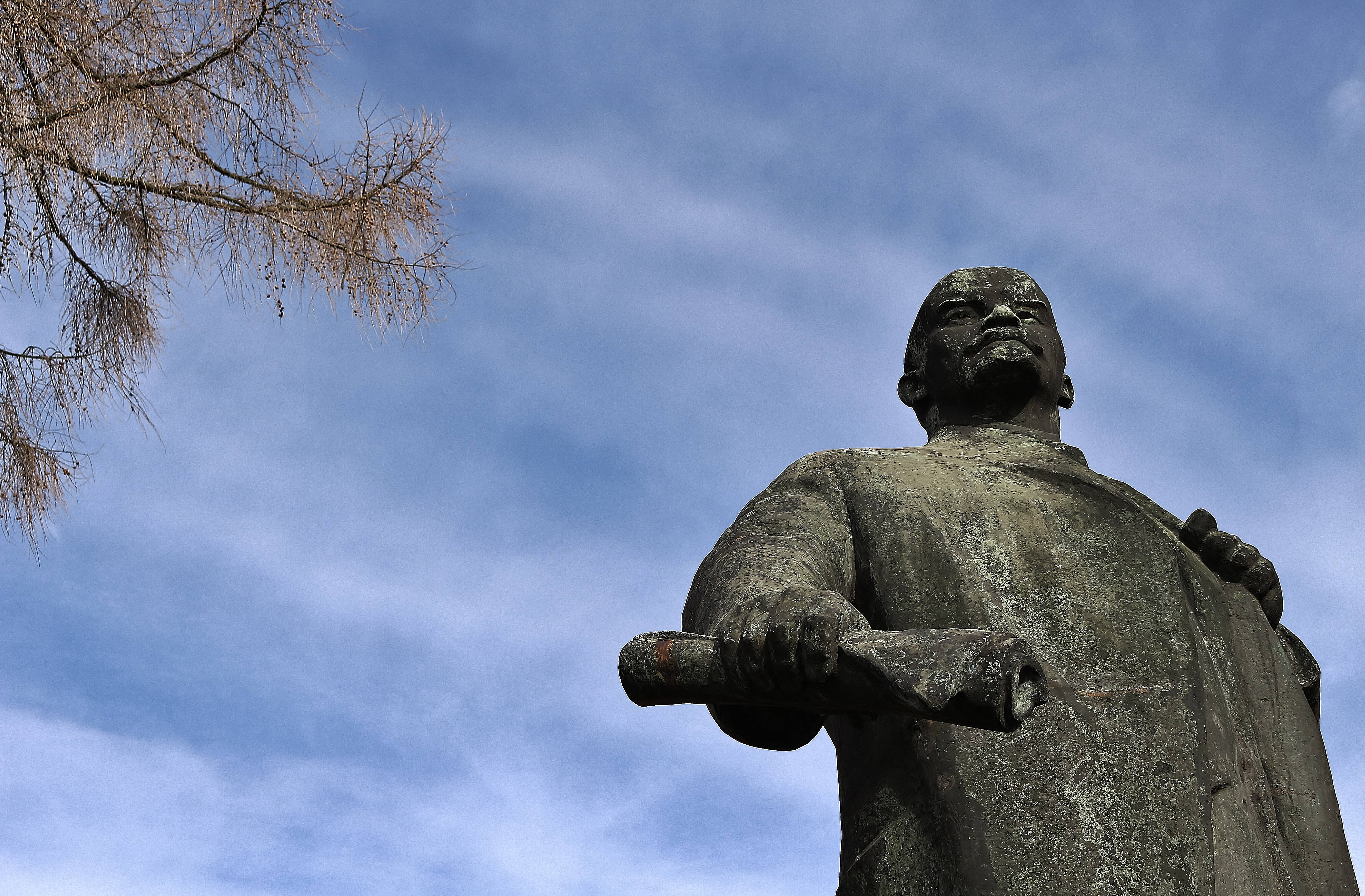
Since the 19th century, red carnations have been considered a symbol of the international labor movement: Back then they were carried out by the participants of illegal meetings in Germany and France. During the period of the Cold War these flowers would become a distinctive mark of Socialist ideology in the Soviet Union and Eastern Europe. To celebrate special holidays, people would put them down – and actually still do nowadays – at the grave of soldiers fallen in war or in front of monuments dedicated to the adored state-idols. In Nohra, on a sunny spring day, we found red carnation lying in front of the statue of Lenin. They were not real, but plastic-flowers, maybe because they are cheaper and last longer. Weiterlesen
Thorns

Dornen

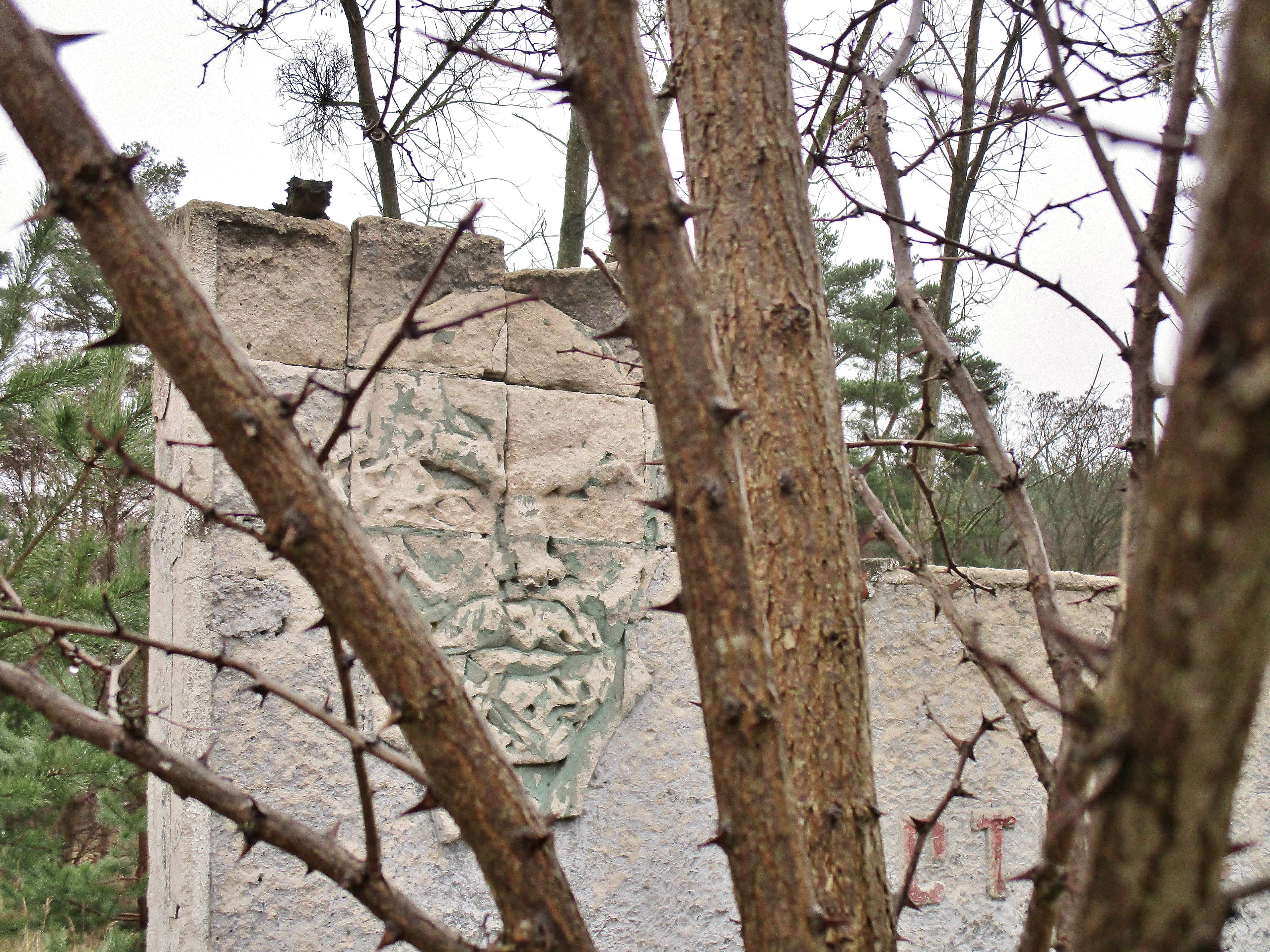
Next to the national road B96 before entering Fürstenberg you can find two big relief walls, a free accessible remnant from the Soviet presence in Germany. It is an historical testimony to see, read and touch, that shows the glorious portrait of the Red Army as the big winner of World War II and also the ideal Communist projection for the post-war period. The monument is abandoned and falling apart, what in turn reflects the current dealing with the East-German past: Nobody wants to know anything about the Soviet heroism, not even about the liberation of Berlin from National Socialism accomplished by the Red Army in 1945. At least this memorial wasn’t demolished, so that even nowadays historians, strollers and curious persons still have the chance to get delighted by this relic. Weiterlesen

White Lenin

White Lenin

A Berlin tourist guide once told me, that the first place he visited with his groups from the USA was the Soviet War Memorial: “So they can see, that in Berlin they can to expect the unexpectable!” In fact, from a Western perspective the monument is quite disconcerting or even a little bit bizarre: The nationalistic pathos and the communist symbolism create a flourishing tribute to Soviet patriotism, which many would not expect to find in the heart of Europe in the 21th Century. Weiterlesen

Lenin stays

Bronzelenin

ENGLISH

While many of the last monuments dedicated to Lenin in Germany are in danger of being demolished or crumbling away in front of an abandoned barrack, the Lenin in Riesa has guaranteed a safe and well-tended existence. Since 1991, when the figure was moved into the little park next to some Soviet war graves, there is no longer any threat. It can stay there as heroic sentry and enjoy the sun and fresh air. Analyzing the statue, one could think, that behind the iron expression there is a light smile on Lenin’s face: Probably he is just glad about the ironic and happy end of the story of his overhasty removal from the former Lenin Square.

Weiterlesen

Lenin in death row

41

ENGLISH

Vogelsang, the name sounds very poetic and the landscape around this little village in the region of Oberhavel is quite idyllic. The forest with its tall trees could be part of a fairy tale and actually it conceals some hidden surprises. If you walk from Vogelsang heading north you will get to the ruins of a desolate and decaying military area. During the times of the Democratic Republic of Germany it belonged to the soviet army and there were up to 15.000 soldiers and civilians living in these buildings. During the climax of Cold War nuclear missiles were kept in Vogelsang, in order to be able to attack Paris and London, if the situation would get serious. After using this area for almost 40 years, the soviet army abandoned it in 1994. For two decades it served as exotic, alternative and – because of the rest of ammunition that was spread all around the area – totally forbidden – therefor more demanded tourist attraction. Weiterlesen

The contemplative Lenin of Gera

Rotesockegera

ENGLISH

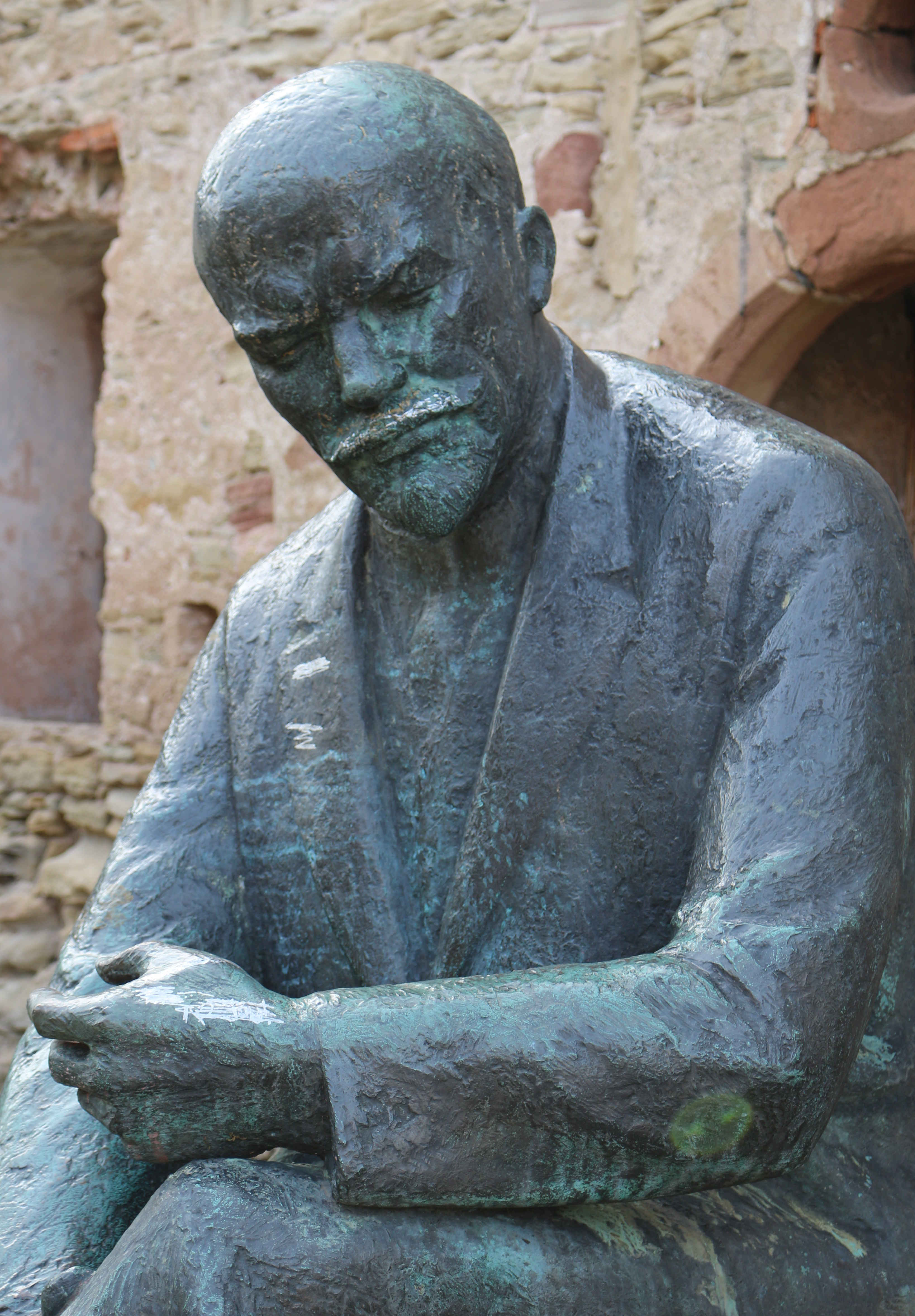
ContemplationIn the form of a statue, Lenin is known almost exclusively in a heroic pose and with a serious look – the great founder of the first socialist state in the world. But in Gera we can find something completely different: In a shady corner in the backyard of the historical court complex in the district of Untermhaus, Lenin is sitting with a very human, quotidian posture and a thoughtful expression. It’s not a big hero, who is represented, but rather a thinker. And the knitted red sock on his left foot definitely completes the uniqueness of this figure, which seems more an existential piece of art than an image of a politic revolutionary. But it’s doubtful that the red sock actually intended to complete this piece of art. It’s rather probable, that this little piece of clothing knitted by the members of a cabaret group, which plays here in the summer season, is a satirical allusion to the pejorative expressionred sock„, used in the past to ridicule left orientated politicians. Weiterlesen

A city free of Lenin?

Wer zum Teufel...

ENGLISH

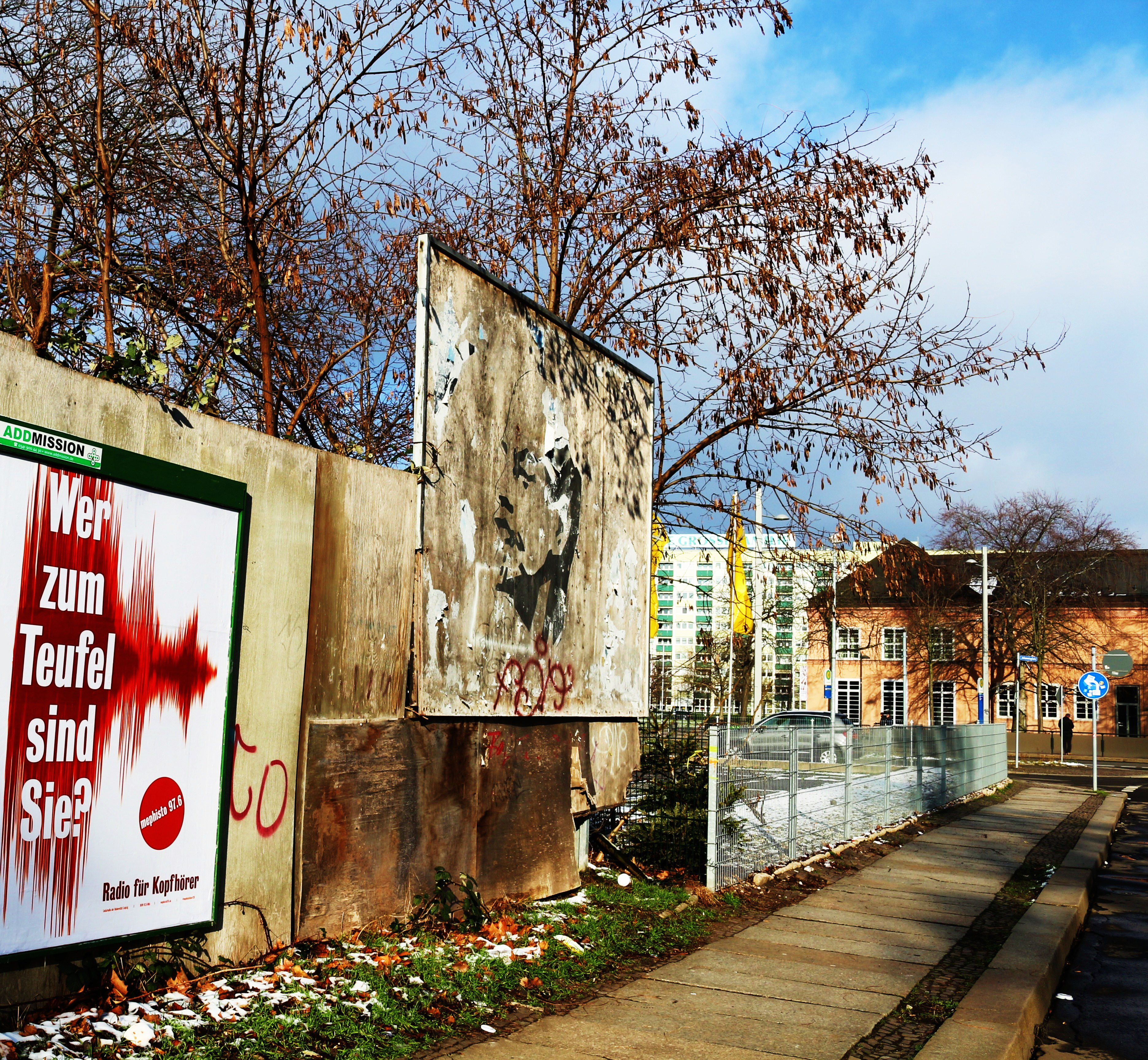
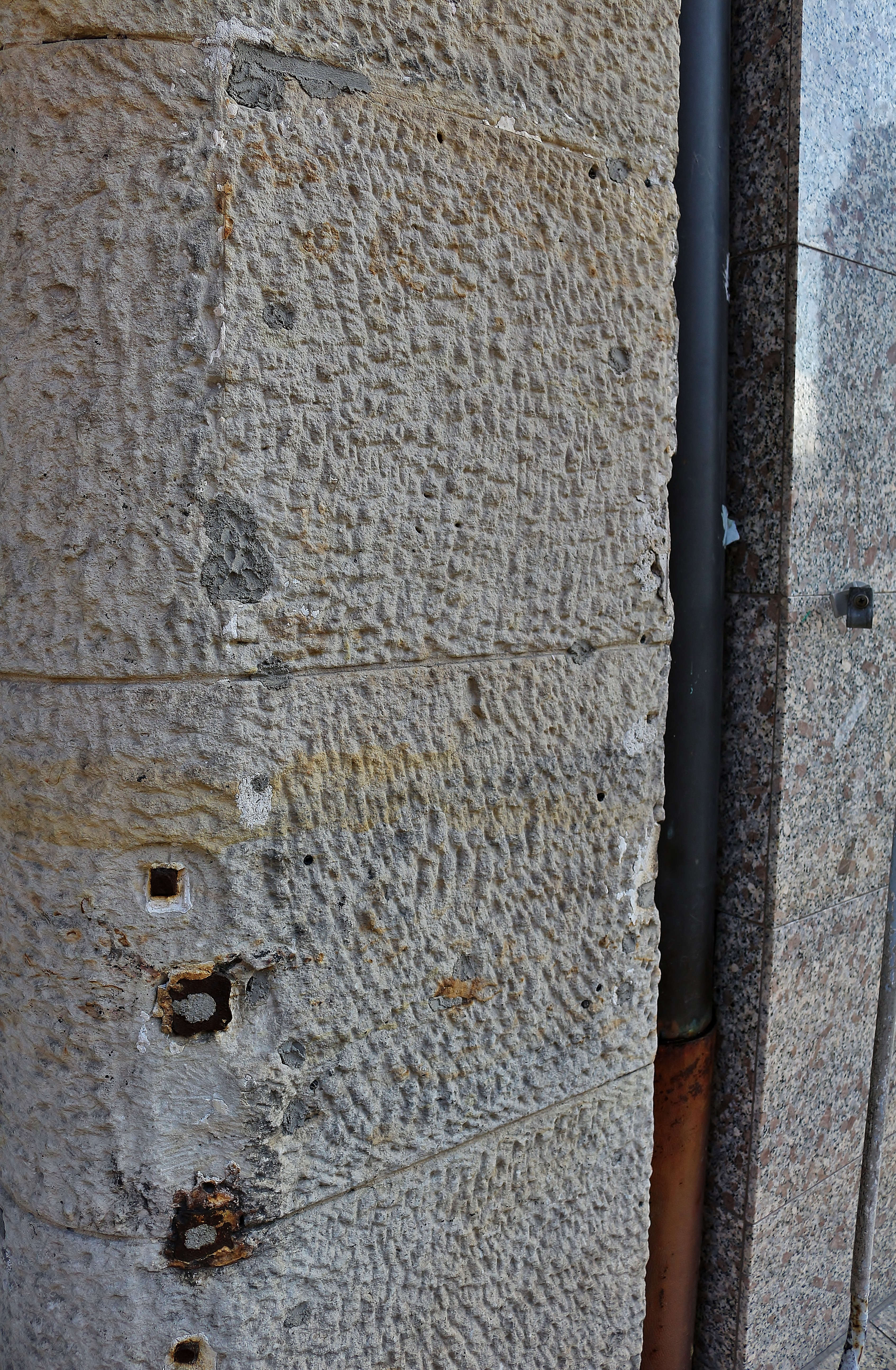
Die Tafel ist wegAfter his bust was removed from the congress center, Leipzig still had some panels reminding of Lenins stops in this city between 1900 and 1914, engineering his revolutionary ideas and plans. But now the boards that pointed out the spots, in which Lenin used to work and celebrate meetings in Leipzig, also disappeared. Leipzig is officially a Lenin-free-city (again, after many decades). Weiterlesen

In abandoned Little-Moscow

ENGLISH

In every corner of the little town of Wünsdorf you can still find traces of the Soviet occupation. Here was located the biggest military area of the Red Army outside the Soviet Union: 590 hectares with 1000 buildings were surrounded by a wall of concrete, and completely inaccessible to the German population. More than 50 000 Soviet soldiers and civilians were living here and there were daily trains directly from the so called “Russian Station” to Moscow. But actually the military use of this territory began much earlier: In the beginning of the 20th century an infantry school was built here. During the III. Reich it was expanded by the Wehrmacht, who installed many important services here such as the intelligence headquarters. In 1945 the Red Army conquered this complex and a few months later the high command of the Soviet Forces in Germany moved to Wünsdorf and continued to expand the military area so that outside the large wall there were still 6.200 hectares for military training being used by the occupying forces. During the times of the GDR, Wünsdorf used to be called the “Little Moscow“. Weiterlesen

Standing on Hitler’s red granite

Lenin watching football
ENGLISH
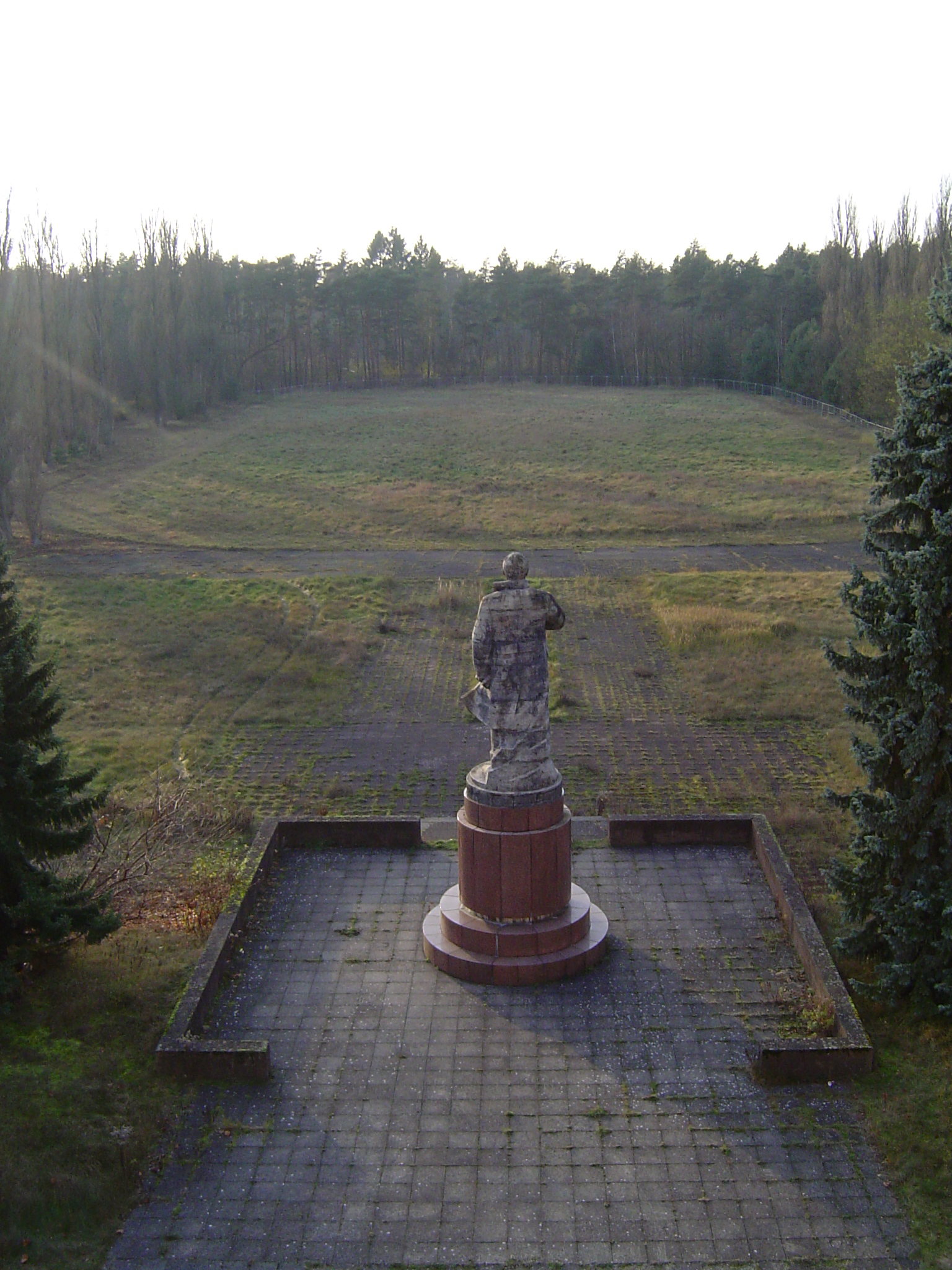
From the top of his red colored pedestal the stone-faced Lenin is looking at the abandoned sports field, which was also used as a parade ground. Once upon a time, soldiers used to march here in neat uniforms and greet their hero with dignity and respect, but now the communist revolutionary can only address himself to the trees and bushes. This entire complex is a representation of oblivion, in which you can still though perceive a glint of the past glamour of the headquarter of the Soviet Army in Germany. Weiterlesen